Working with Teenagers
Working with Teenagers
Adolescence is a time of significant emotional, psychological, and physical change.
Young people begin to seek independence while also navigating friendships, identity development, academic pressures, and uncertainty about the future.
For some teenagers these transitions can feel overwhelming.
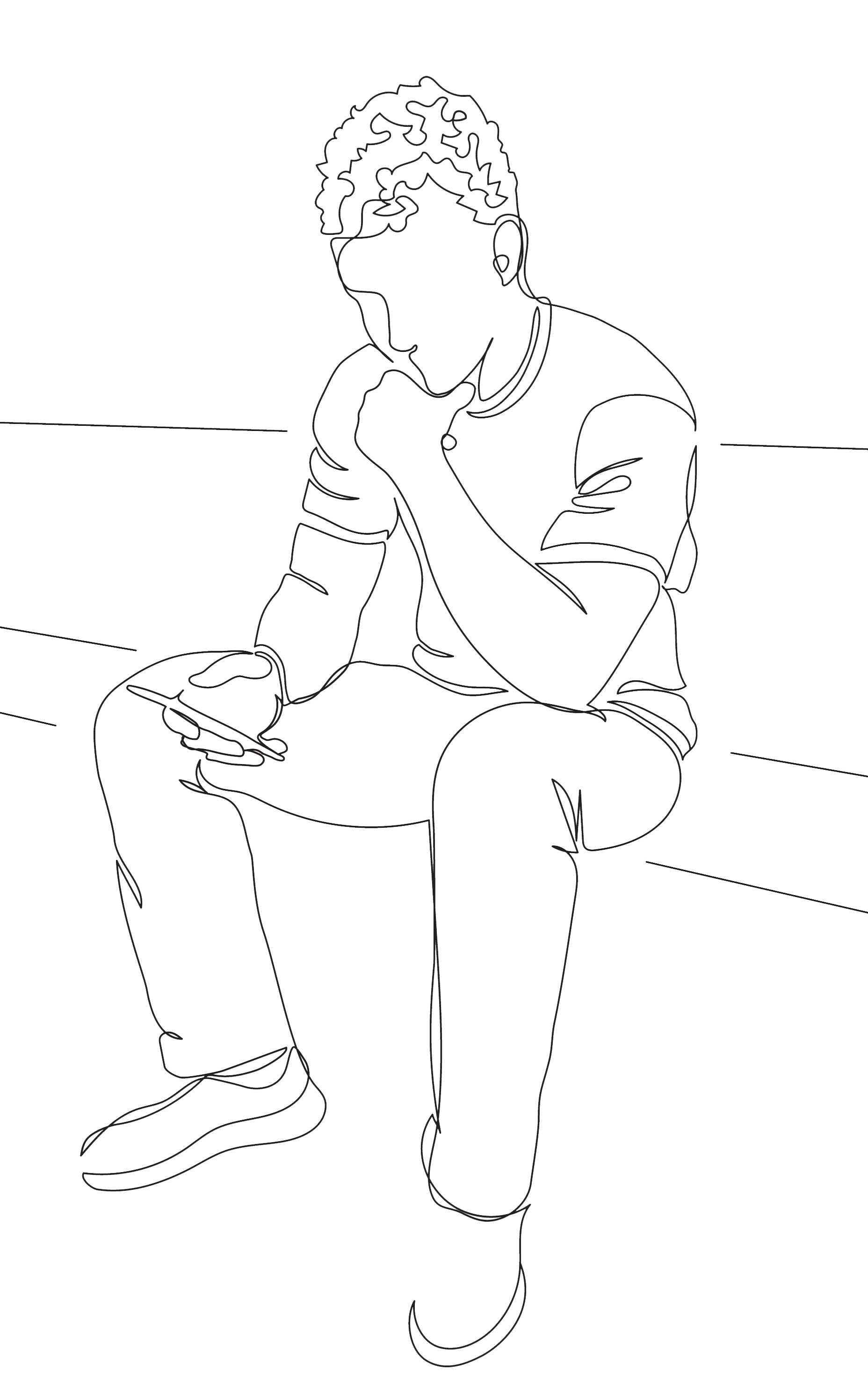
A confidential and supportive space
Therapy for adolescents
Distress may show itself through risk-taking behaviours, aggression, substance misuse, or self-harm. Others may withdraw, becoming isolated or emotionally distant.
Therapy offers a confidential and supportive space where adolescents can explore their experiences, understand their emotions, and develop healthier ways of coping.
Psychodynamic understanding can be particularly valuable during adolescence, helping young people explore the deeper emotional meanings behind their thoughts, feelings, and relationships.
Therapy offers a confidential and supportive space where adolescents can explore their experiences, understand their emotions, and develop healthier ways of coping.
Typical Problems
Typical Problems
Here is a selection of the many and varied problems with which therapy with teenagers can help:-
- Anxiety & overwhelming stress
- Depression or persistent low mood
- Self-harm &/or suicidal thoughts
- Risk-taking behaviours
- Eating disorders
- Body image concerns
- Identity, sexuality, or gender issues
- ADHD & Autism
- Addiction or substance misuse
- School refusal or academic difficulties
- Low confidence & self-esteem
- Relationship & friendship struggles
- Difficulties with sleep
- The effects of trauma
- Other adverse experiences
- Over-reliance on technology or gaming
How to Proceed
How to Proceed
First contact
Email or text
The first contact is by email or text (usually from the parent/carer), with a request to arrange a free 15 min phone call. This is an opportunity to ask any questions and to see if you would like to fix a date for the first meeting.
First meeting
Consulting room
The first face-to-face meeting takes place in my consulting room. Both the young person and the parent(s)/carer(s) attend.
Confidentiality
The young person is the client
The young person is the client. Their privacy and confidentiality are respected, while clear boundaries are maintained around safety.
Further information
Please click below for:-
How to contact me.
FIND OUT MOREMy training & qualifications.
FIND OUT MOREMy fees & practice location.
FIND OUT MOREHow to Proceed
Arrange a free 15 min phone call
The first contact is by email or text (usually from the parent/carer), with a request to arrange a free 15 min phone call.